Muscle tightness affects most people at some point. Long hours of sitting, repetitive movements, physical activity, stress, and poor sleep often cause muscles to feel stiff, sore, or uncomfortable. When tension builds, many people look for simple, non-invasive ways to help their muscles relax and feel more comfortable.
Heat therapy is one of the most widely used methods for muscle relaxation. For decades, people have used heat at home, in physical therapy, and as part of recovery routines because it’s simple to apply and generally well tolerated.
Understanding how heat therapy works, and why it helps muscles relax can make it easier to use it effectively for comfort, pain relief, and recovery.
What Is Heat Therapy?
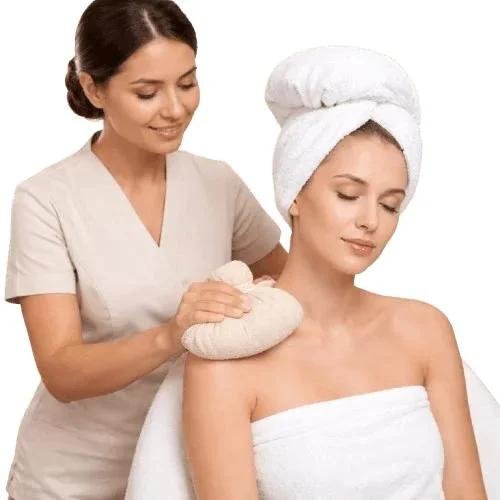
Heat therapy involves applying gentle warmth to specific areas of the body to help relax muscles, ease stiffness, and promote overall comfort. Many people use heating pads, heat packs, warm towels, or warm baths as simple ways to deliver soothing heat to tense or tired muscles.
However, this approach is typically used for muscle tightness, mild aches, and everyday discomfort rather than for recent injuries or areas affected by active inflammation.
How Heat Affects Muscles
When heat warms the body, it triggers several responses that support muscle relaxation.
Increases Blood Flow
Heat causes blood vessels to expand, which increases circulation in the treated area. Improved blood flow delivers oxygen and nutrients to muscles while helping the body clear metabolic waste. This process helps muscles feel looser and more relaxed.
Reduces Muscle Stiffness
Warmth makes muscles and connective tissues more flexible. As tissues warm, they stretch more easily, which reduces the feeling of tightness that often accompanies muscle tension.
Calms the Nervous System
Heat helps calm the nervous system by reducing signals that cause muscle guarding or tension. Many people experience warmth as soothing, which makes it easier to relax both physically and mentally.
Common Situations Where You Can Use Heat Therapy
You can use heat therapy in everyday situations that create muscle tension, including:
-
Neck and shoulder tightness from desk work or screen use
-
Lower back stiffness from prolonged sitting or standing
-
Muscle soreness after light to moderate exercise
-
General tension linked to stress or poor sleep
This therapy fits well into evening routines or recovery periods when muscles feel overworked rather than injured.
Heat Therapy vs. Cold Therapy
Heat and cold therapy serve different purposes, and people choose between them based on the type of discomfort they experience.
Use heat therapy for:
-
Muscle tightness
-
Stiff joints
-
Chronic or recurring muscle discomfort
Cold therapy for:
-
Swelling
-
Inflammation
-
Recent injuries or acute pain
For muscle relaxation, heat works better because it promotes circulation and improves tissue flexibility.
How Long to Apply Heat Therapy
You can apply heat therapy for short sessions rather than extended periods. Many guidelines suggest applying heat for 15 to 20 minutes at a time and allowing the skin to return to its normal temperature between sessions.
Heat should feel warm and comfortable, not hot or painful. If discomfort occurs, you should stop use immediately.
How You Can Combine Heat Therapy With Other Recovery Methods
You can combine heat therapy with massage tools designed for everyday muscle comfort. Common combinations include:
-
Light stretching
-
Gentle massage
-
Relaxation or breathing exercises
-
Ergonomic adjustments during work or rest
Applying heat before stretching or relaxation often helps muscles feel more responsive and comfortable.
Safety Considerations
Heat therapy is generally safe for most people when used properly, but it’s still important to follow basic precautions.
Avoid applying heat to:
-
Swollen or inflamed areas
-
Open wounds or irritated skin
-
Areas with reduced sensation
If you have a medical condition, circulation issues, or uncertainty about heat therapy, you should consult a healthcare professional before use.
Using Heat Therapy as Part of a Relaxation Routine
Heat therapy is often used as part of a broader relaxation routine rather than as a standalone solution. Many people incorporate heat during evening wind-down time, after long workdays, or alongside stretching and gentle movement.
Tools such as heated wraps, heat-enabled massagers, or reusable heat pads are commonly chosen for their convenience and ease of use at home. When used correctly, they can help create a calming environment that supports muscle relaxation.
Key Takeaways
Heat therapy remains a popular option for muscle relaxation because it offers a simple and accessible solution. By increasing circulation, reducing stiffness, and encouraging relaxation, heat helps muscles feel more comfortable after long days, physical activity, or periods of stress.
As part of a broader pain relief and recovery approach, heat therapy provides a gentle way to support muscle comfort and relaxation at home.