Heat therapy is a popular option for easing muscle tightness and everyday discomfort. Many people turn to heat after long workdays, physical activity, or periods of stress because it feels soothing and easy to use. Still, a common question comes up: how long should you actually use heat therapy to feel comfortable without overdoing it?
Understanding typical heat therapy timing can help you use it more effectively while staying within safe limits.
Why Timing Matters With Heat Therapy
Heat works by warming muscles, increasing circulation, and encouraging relaxation. These effects happen gradually, which means longer sessions do not always lead to better results.
Using heat for the right amount of time helps muscles feel looser without irritating the skin or causing discomfort. Short, controlled sessions often provide the most consistent benefits.
How Long Should You Use Heat Therapy
You can use heat therapy in sessions lasting 15 to 20 minutes at a time. This timeframe usually gives muscles enough time to warm up and relax without overheating the area.
After a session, allowing the skin to cool down before reapplying heat helps maintain comfort and reduces the risk of irritation.
How Often Should You Use Heat Therapy
Frequency depends on how muscles feel and how the body responds. You can use heat once a day, or apply it a few times per day with breaks in between.
Common patterns include:
-
Using heat in the evening to relax after work
-
Applying heat before light stretching
-
Using heat during short recovery periods throughout the day
Listening to how your body responds often provides the best guidance.
Signs You’ve Used Heat Long Enough
Heat therapy should feel warm and relaxing, not intense or uncomfortable. Signs that a session has done its job include:
-
Muscles feeling looser
-
Reduced stiffness
-
Improved comfort with movement
If the skin feels overly hot, sensitive, or irritated, it’s a good idea to stop and allow the area to cool.
When Shorter Sessions Make More Sense
Shorter heat sessions often work better in certain situations. People may limit heat use when:
-
Skin feels sensitive
-
The area is small or localized
-
Heat is combined with other recovery methods
In these cases, even 10 minutes of warmth may feel sufficient.
Combining Heat Therapy With Other Recovery Practices
You can pair heat therapy with gentle recovery habits to support muscle comfort. Common combinations include:
-
Light stretching after heat
-
Relaxation or breathing exercises
-
Gentle massage tools designed for everyday use
Applying heat before these activities often helps muscles feel more relaxed and responsive.
Safety and Usage Considerations
Using heat therapy safely helps prevent unnecessary discomfort.
General safety tips include:
-
Avoid using heat on swollen or inflamed areas
-
Do not apply heat to broken or irritated skin
-
Stop use if discomfort increases
If you have a medical conditions or reduced sensation, consult a healthcare professional before using heat therapy.
Choosing Heat Therapy Tools Designed for Regular Use
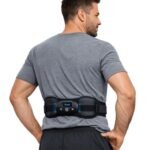
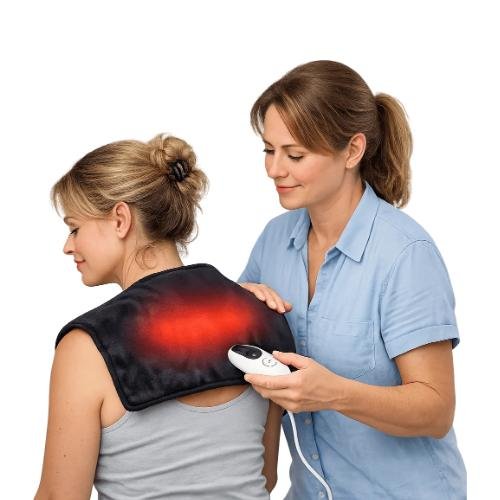
The length of time heat therapy is used often depends on the type of tool and the comfort level of the individual. Many reusable heat-based products are designed for short, controlled sessions and include features that support safe, consistent use at home.
People commonly look for options with adjustable heat settings, automatic shut-off features, and flexible designs that fit easily into daily routines without disrupting rest or work schedules.
If you’re looking for heat therapy tools suited for regular comfort sessions, check out commonly used options.
Key Takeaways
Heat therapy works best when used in short, controlled sessions rather than extended periods. Many people find that 15 to 20 minutes provides enough warmth to support muscle relaxation and comfort. Paying attention to how your body responds help you adjust timing and frequency to fit your needs.
As part of a broader pain relief and recovery routine, heat therapy offers a simple and accessible way to support everyday muscle comfort.