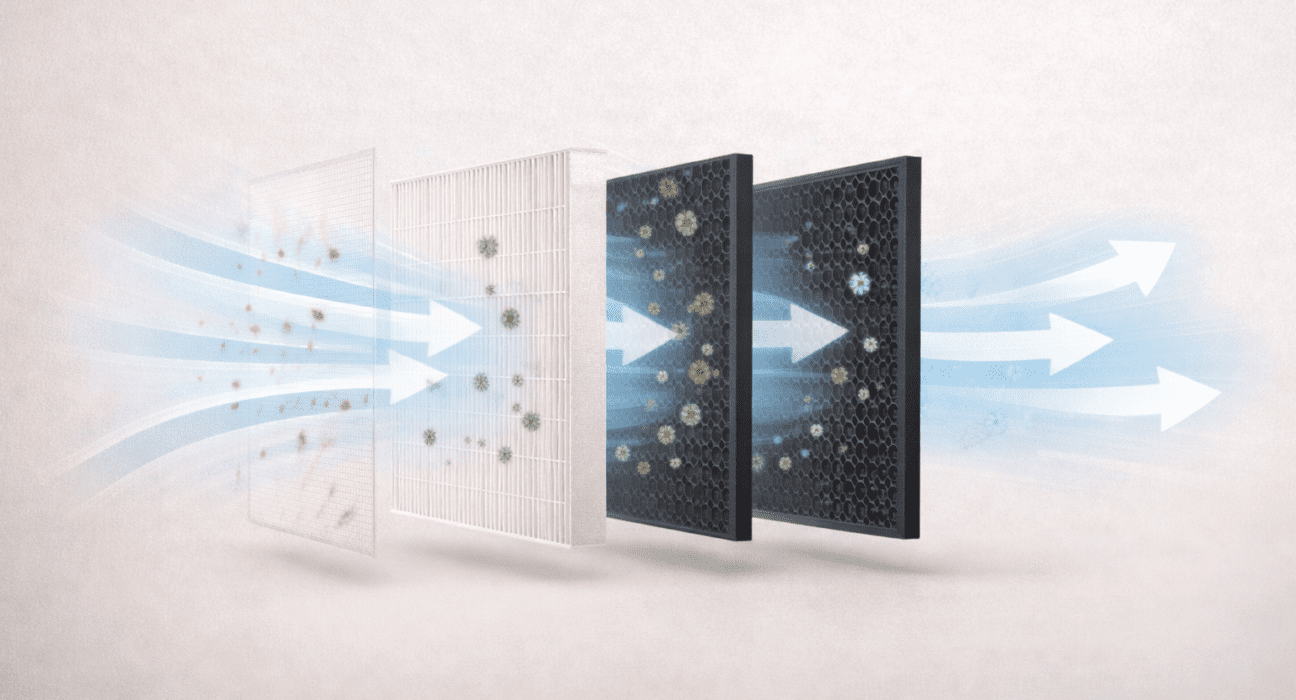
Air purifiers may look similar, but the filtration system inside determines what they can actually remove from the air and how effectively they improve indoor air quality.
When you understand how different filters work, you can choose a purifier that matches your environment, whether you’re dealing with dust, allergens, odors, or everyday indoor pollutants.
Why Filtration Type Matters
Each filter targets different types of particles. Choosing the wrong one can lead to:
- Limited improvement in air quality
- Persistent odors or allergens
- Reduced overall effectiveness
A properly matched filtration system ensures that the purifier addresses the specific air quality issues in your space.
HEPA Filters: Capturing Fine Particles
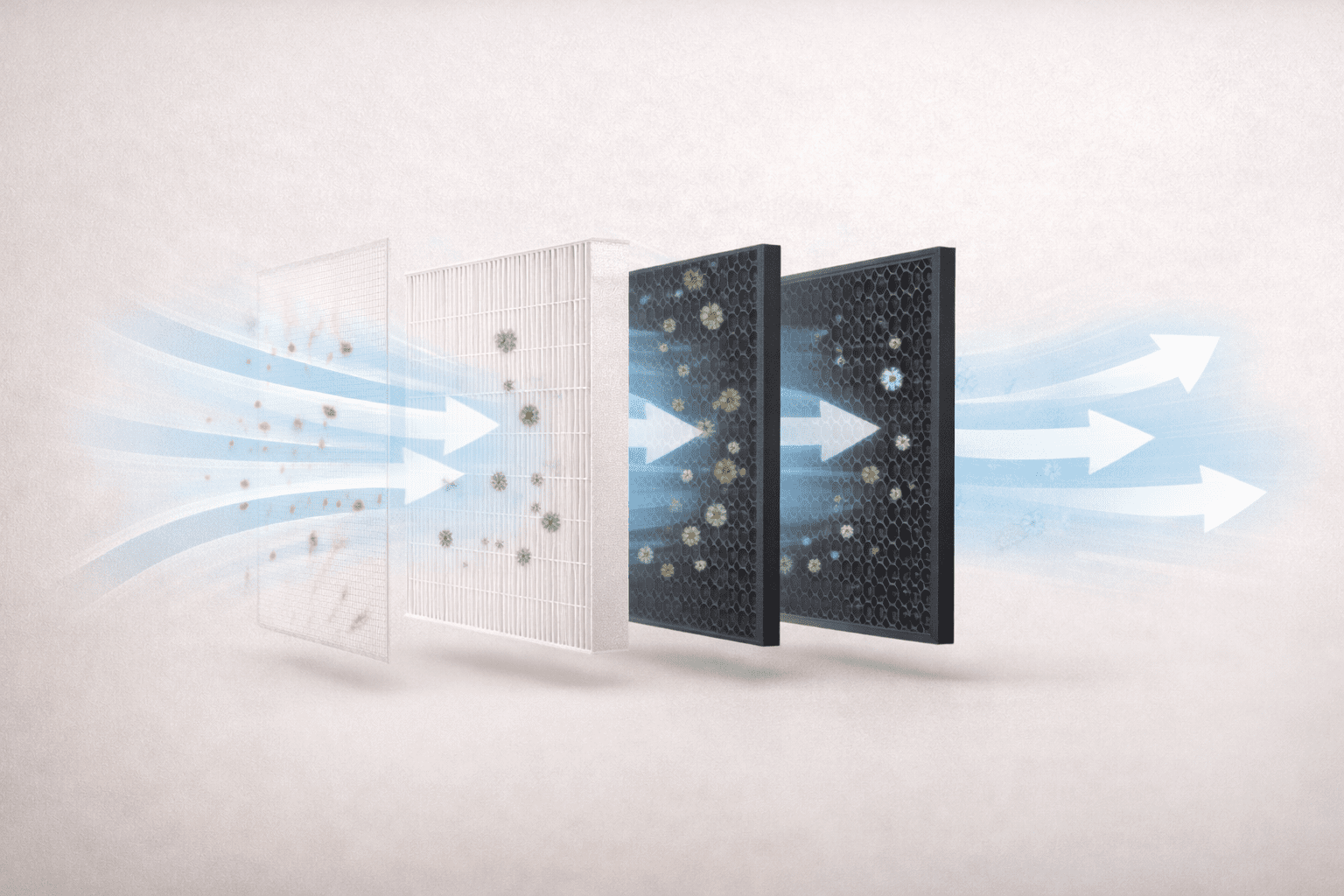
HEPA (High-Efficiency Particulate Air) filters are designed to trap very small particles that are not visible to the eye. They are designed to capture at least 99.97% of particles as small as 0.3 microns.
They are effective for:
- Dust and fine particles
- Pollen and allergens
- Pet dander
- Airborne irritants
This makes HEPA filtration essential for households with allergies or sensitivity to airborne particles.
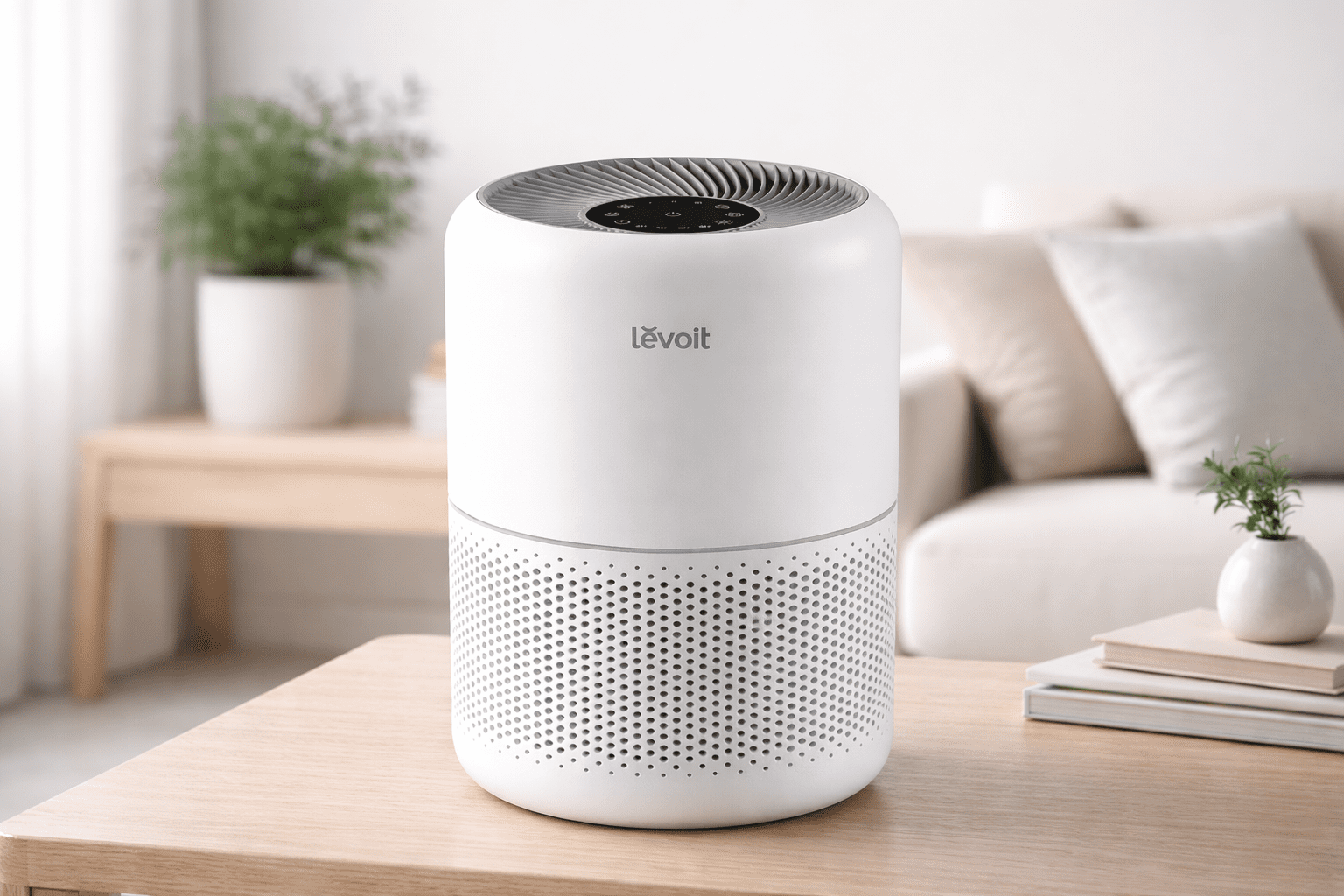
Many compact units like the Levoit Core 300 Air Purifier and Blueair Blue Pure 411 Air Purifier rely on HEPA-based systems for everyday air cleaning.
Activated Carbon Filters: Managing Odors and Gases
While HEPA filters capture particles, they don’t remove odors. That’s where activated carbon filters come in.
They help reduce:
- Cooking smells
- Pet odors
- Smoke and light chemical fumes
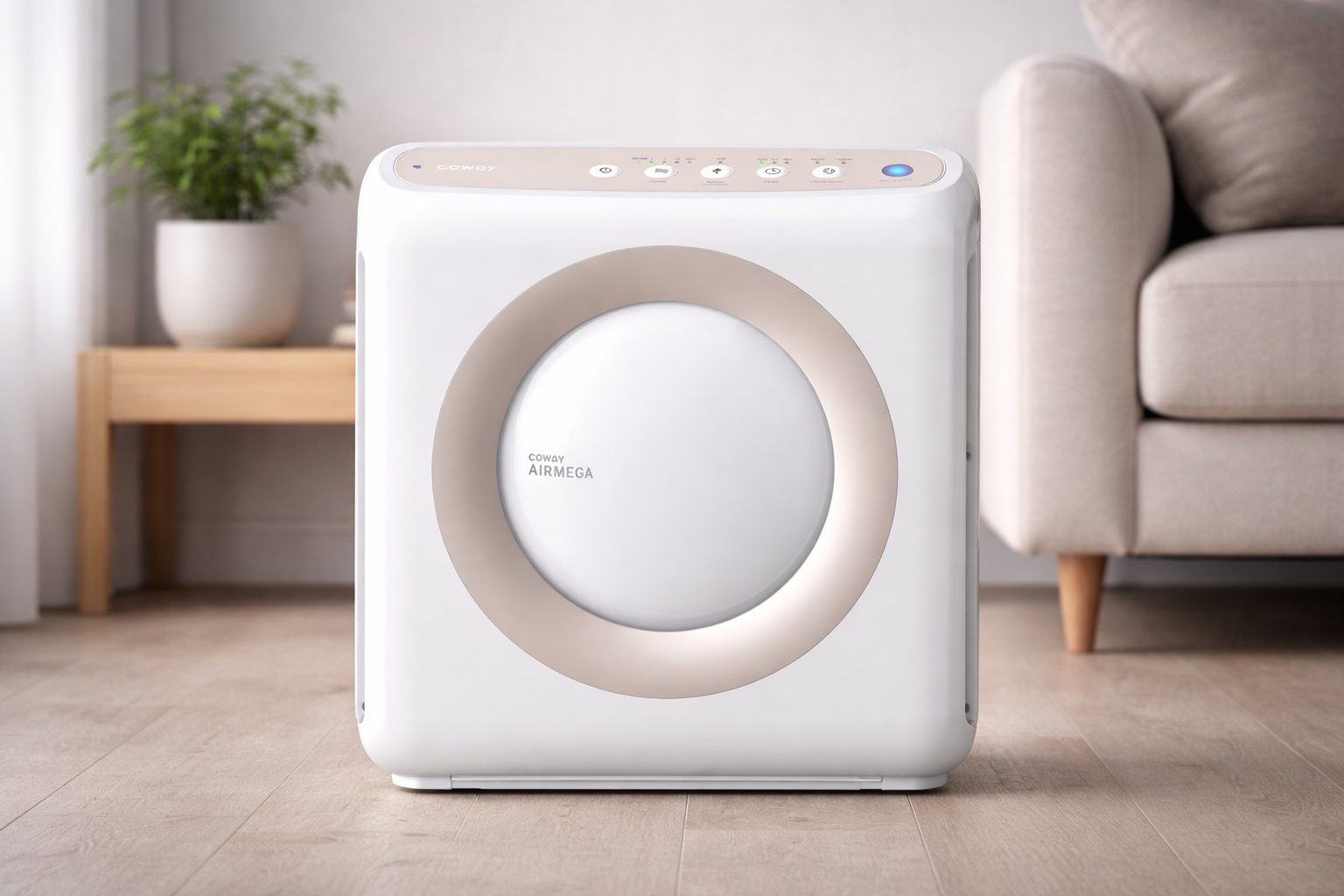
If odor control is important in your home, a purifier with a carbon layer, such as the Coway Airmega AP-1512HH Air Purifier, can provide more complete air treatment.
Pre-Filters: The First Layer of Defense
Pre-filters capture larger particles before they reach the main filters.
They typically handle:
- Hair and dust clumps
- Larger debris
- Visible particles
This helps extend the life of HEPA and carbon filters by reducing buildup.
How Filtration Affects Performance
Different environments require different filtration strengths.
- Light everyday use → Basic HEPA filtration is usually enough
- Homes with pets or allergies → A HEPA + carbon combination improves results
- Areas with noticeable odors → Carbon filtration becomes more important
Matching filtration to your needs ensures that your purifier performs efficiently without unnecessary upgrades.
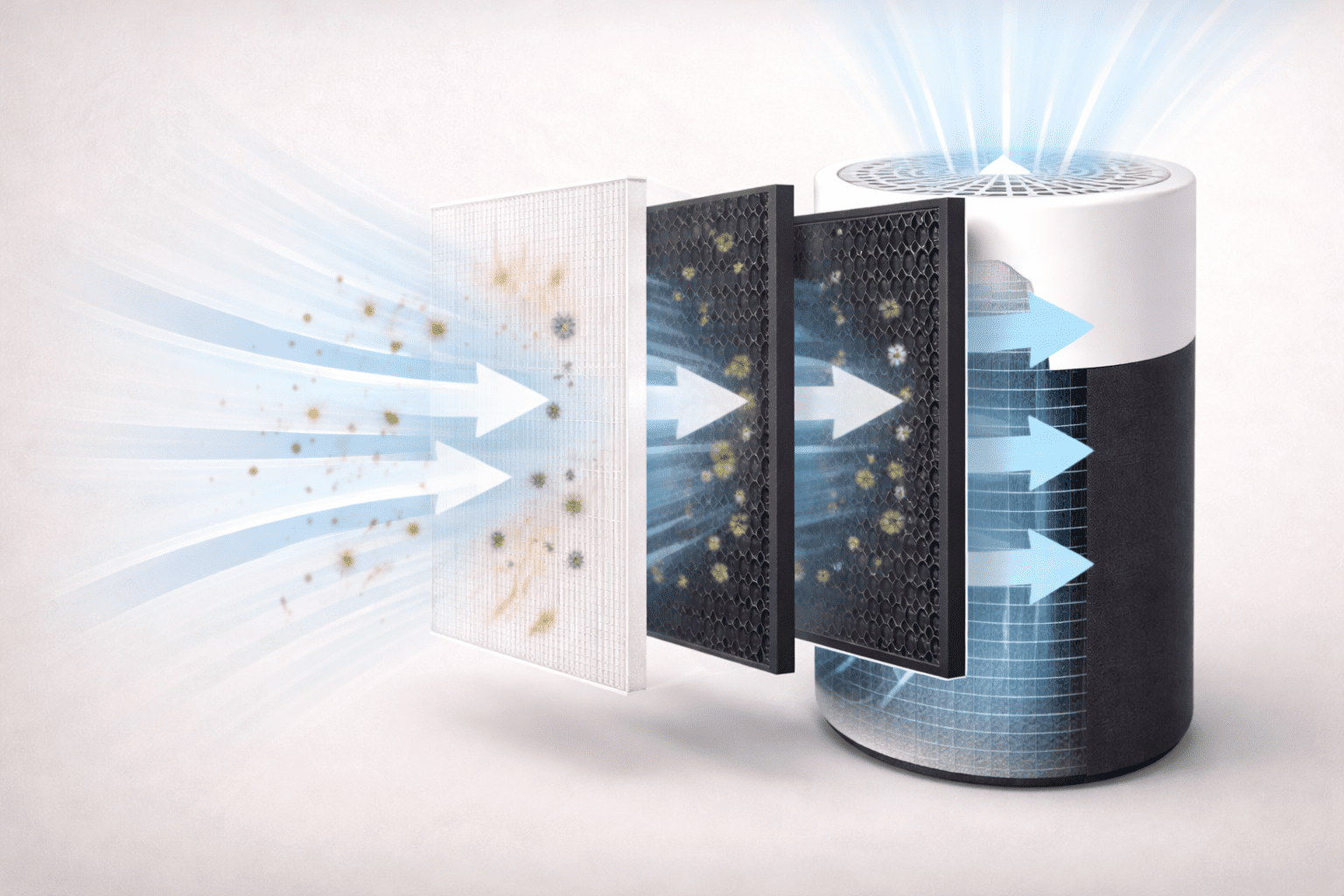
Choosing the Right Filter Setup
When selecting an air purifier, consider:
- Room size → affects airflow needs
- Air quality concerns → determines filter type
- Maintenance → filter replacement frequency
If you’re unsure how room size affects performance, understanding coverage and airflow can help you choose a properly sized unit.
Common Misconceptions
- All filters do the same thing → Not true
- HEPA removes odors → Requires carbon filter
- Bigger purifier is always better → Depends on room size
Knowing these differences helps avoid choosing a system that doesn’t match your needs.
Final Takeaway
Air purifier performance depends heavily on the filtration system inside. HEPA filters capture fine particles, carbon filters handle odors, and pre-filters protect the system.
Choosing the right combination ensures cleaner air and more consistent results based on your environment.