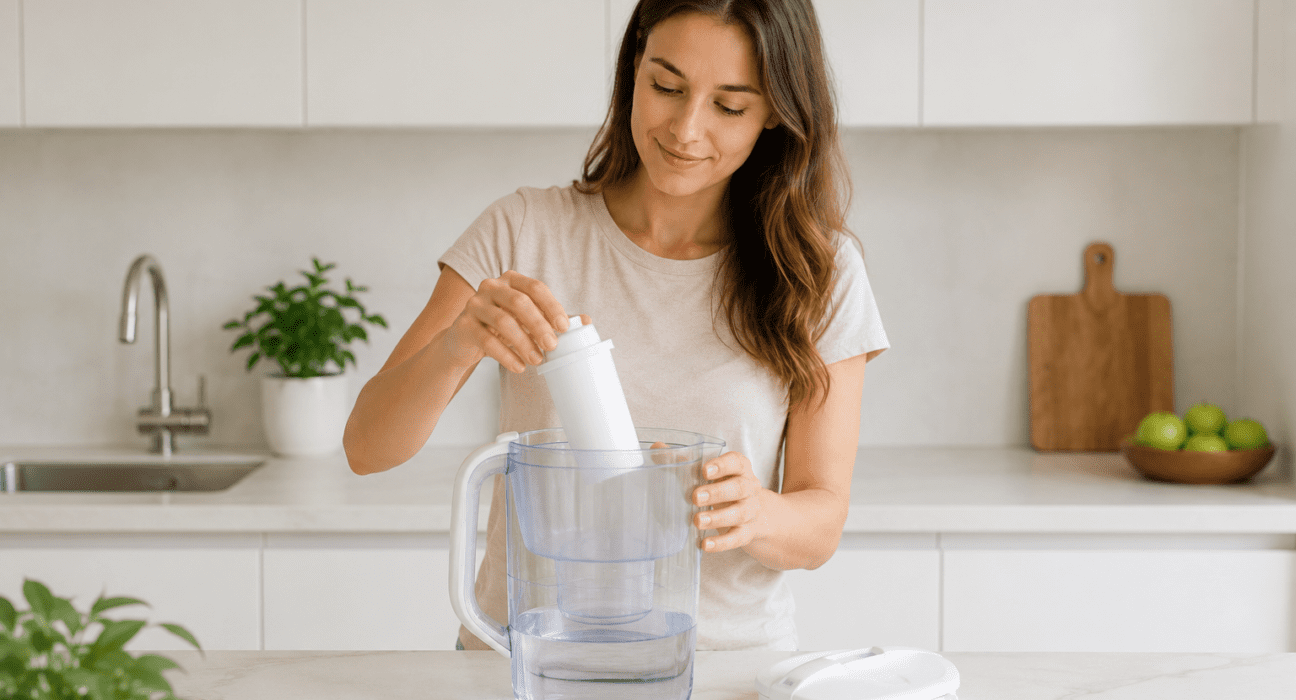
Water filters are designed to improve everyday drinking water quality, but no filter lasts forever. Over time, filtration performance gradually declines as the filter collects particles, contaminants, and buildup from regular use.
That’s why one of the most common questions households ask is how often a water filter should actually be replaced.
The answer depends on several factors, including:
- filter type
- water quality
- daily usage
- household size
- manufacturer recommendations
Some filters may last for months with no noticeable issues, while others lose effectiveness more quickly in heavier-use households.
For a broader comparison of filtration options, read the refrigerator water filter vs pitcher filter comparison before deciding which system fits your routine better.
Why Replacing a Water Filter Matters
Many people continue using old filters longer than recommended simply because the water still “looks fine.”
But filtration performance is not always visible.
As filters become saturated over time, they may:
- reduce water flow
- affect taste
- lose filtration efficiency
- develop odor buildup
- work less effectively overall
Replacing filters consistently helps maintain:
- smoother water taste
- better filtration performance
- refrigerator or pitcher cleanliness
- more reliable everyday use
How Long Do Most Water Filters Last?
Different filtration systems follow different replacement schedules.
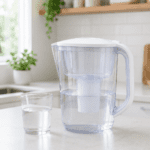
Water Filter Pitchers
Many pitcher filters are replaced every:
- 1–2 months
- or after a certain number of gallons filtered
Replacement timing depends heavily on:
- refill frequency
- local tap water quality
- household size
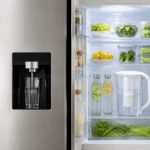
Refrigerator Water Filters
Many refrigerator filters are replaced:
- every 3–6 months
- depending on usage and refrigerator model
Some refrigerators also include replacement reminder indicators.
Always follow manufacturer recommendations whenever possible.
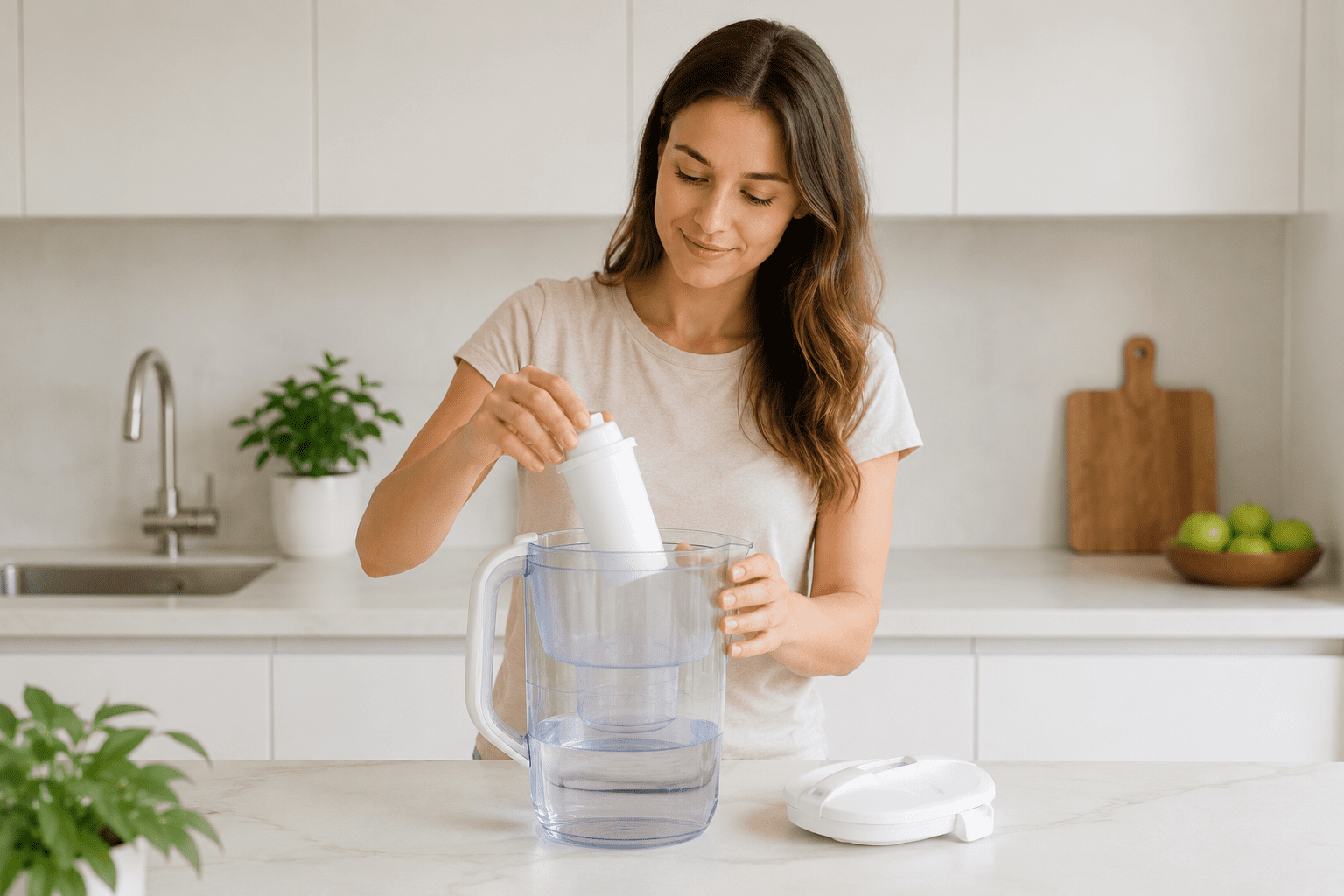
Signs It May Be Time to Replace Your Filter
Even without checking the calendar, there are often small signs that a filter may be nearing replacement time.
Common signs include:
- slower filtration speed
- unusual taste changes
- chlorine smell returning
- cloudy appearance
- reduced water flow
- unusual refrigerator dispenser performance
Some households notice taste changes first, while others notice slower refills or weaker water flow.
Does Local Water Quality Affect Filter Lifespan?
Yes, significantly.
Households with:
- harder water
- stronger chlorine odor
- higher sediment levels
- heavier daily usage may need more frequent filter replacements compared to lighter-use households.
Filters working harder to process local water conditions may become saturated more quickly over time.
That’s one reason replacement schedules can vary between households even when using the same filter model.
Affiliate Disclosure: This article may contain affiliate links. If you purchase through these links, we may earn a small commission at no extra cost to you.
Explore Replacement Filter Options
Many households compare replacement schedules, filter lifespan, and long-term maintenance costs before choosing a filtration system for everyday use.
You can explore the latest customer feedback and replacement filter options for both the PUR Plus Water Filter Pitcher and the Brita Standard Water Filter Pitcher on Amazon.
For a detailed comparison of these two popular pitcher filtration systems, read PUR vs Brita Water Filter Pitchers to learn how they differ in filtration capabilities, filter replacement frequency, maintenance requirements, and overall value.
Can You Use a Water Filter Too Long?
Using a filter significantly beyond its recommended lifespan may reduce overall filtration effectiveness.
Over time, older filters may:
- become less efficient
- affect water taste
- slow down filtration speed
- collect buildup internally
Replacing filters consistently is usually simpler than waiting for noticeable performance issues to appear.
Are Water Filter Replacement Costs Expensive?
For many households, replacement filters are still less expensive long term than relying heavily on bottled water purchases.
Costs vary depending on:
- filter brand
- replacement frequency
- filtration type
- household usage
Some people prioritize convenience and simplicity, while others focus more heavily on stronger filtration performance.
If you’re still comparing both approaches, you can also explore the best water filter pitchers for home use for a broader overview of popular filtration options.
What Helps Water Filters Last Longer?
A few simple habits may help maintain better filtration performance over time:
- replacing filters consistently
- storing pitchers properly
- cleaning pitchers regularly
- avoiding unnecessary contamination
- following manufacturer instructions
Consistent maintenance often matters more than choosing the most expensive filtration system.
What to Keep in Mind About Filter Replacement
Most households don’t need to obsess over exact replacement dates, but staying reasonably consistent is important for maintaining filtration performance and everyday convenience.
The best replacement schedule usually depends on:
- your water quality
- how much water your household uses
- the specific filter system you own
A well-maintained filter system generally performs more reliably than one left unchanged for extended periods.
Related Articles
- Do Water Filter Pitchers Remove Chlorine and Lead
- Are Water Filter Pitchers Worth It?
Informational Disclaimer: Actual performance may vary based on local water conditions and how the filter is maintained and used.