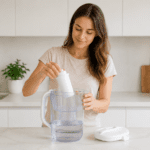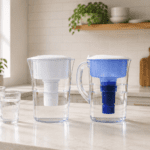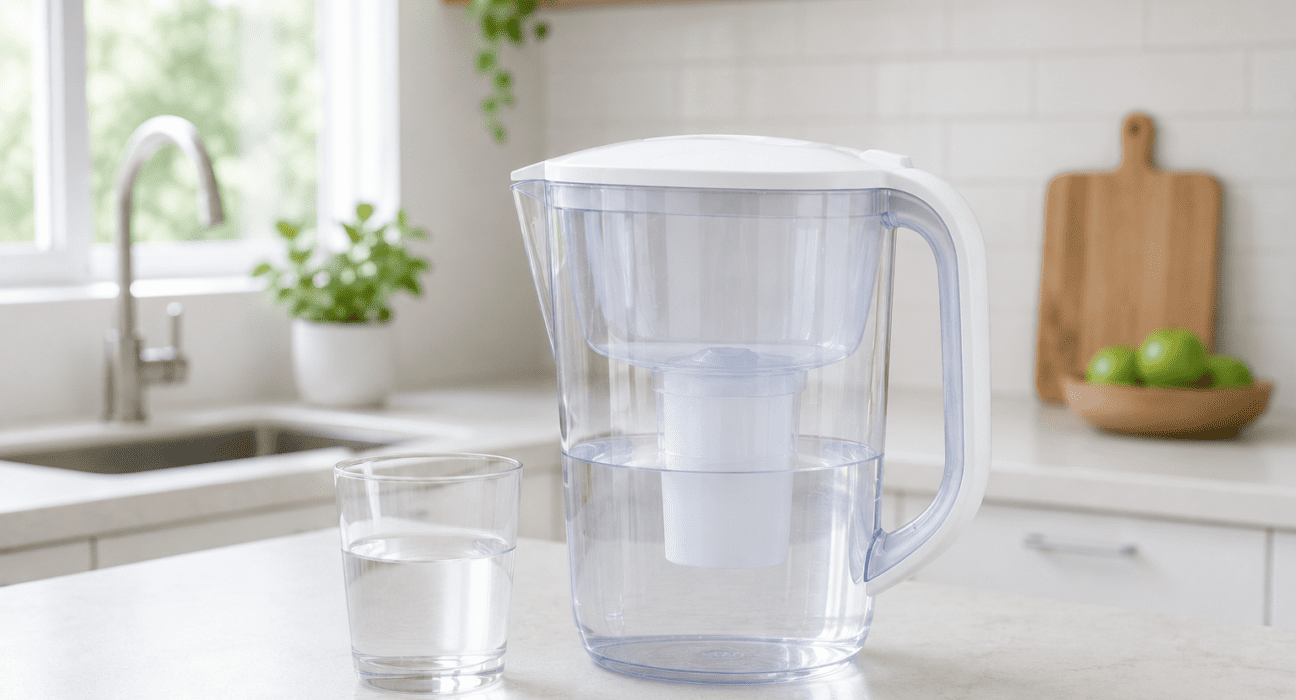
One of the main reasons people buy water filter pitchers is to improve tap water taste and reduce common water concerns such as chlorine odor or possible contaminants.
But many households still wonder how effective these pitchers actually are, especially when it comes to chlorine and lead.
The short answer is that many modern water filter pitchers are designed to help reduce chlorine taste and odor, while some models are also specifically certified to reduce lead. However, filtration performance depends heavily on the filter type, replacement schedule, and the specific pitcher system being used.
Understanding what these filters are designed to do can help you choose a setup that better fits your everyday kitchen routine.
If you’re still comparing filtration systems overall, you can also explore the best water filter pitchers for home use before narrowing down specific models.
Why Chlorine Is Common in Tap Water
Chlorine is commonly used in municipal water systems to help disinfect public drinking water.
While it serves an important purpose in water treatment, many people notice:
- strong chlorine smell
- unusual tap water taste
- chemical-like odor
- unpleasant aftertaste
That’s one reason water filter pitchers are often used in kitchens and refrigerators for everyday drinking water improvement.
Many households notice taste improvement first, even before paying attention to other filtration features.
Can Water Filter Pitchers Reduce Chlorine?
Many pitcher filters are specifically designed to help reduce chlorine taste and odor.
This is one of the most common filtration features across popular brands such as:
- PUR
- Brita
- other activated carbon-based pitcher systems
For many households, chlorine reduction is what makes filtered water taste noticeably smoother and easier to drink regularly.
Some users also find that:
- coffee tastes cleaner
- tea tastes smoother
- refrigerator water smells fresher after switching to filtered water.
What About Lead Reduction?
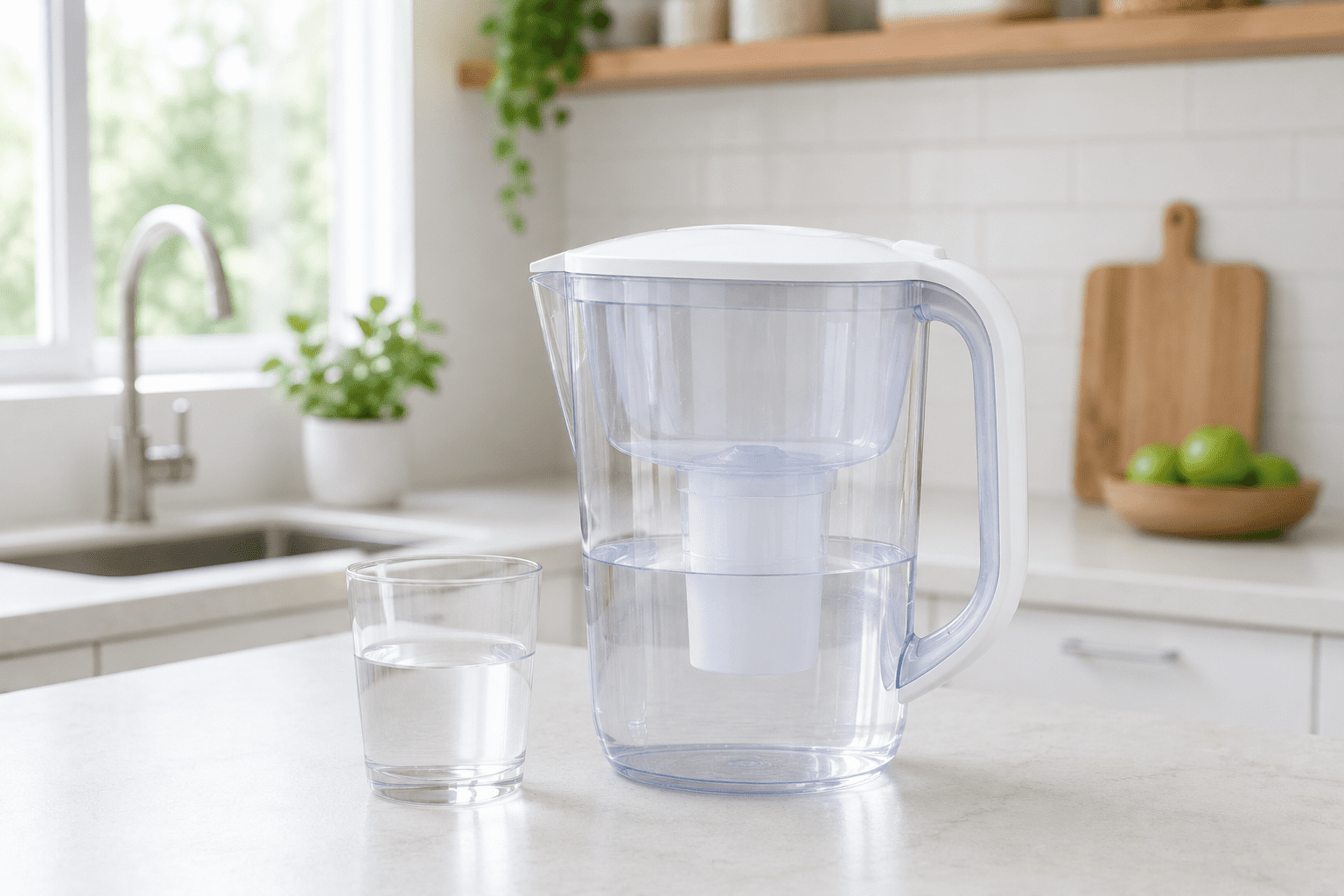
Lead filtration is more complex because not every pitcher filter is designed for the same level of contaminant reduction.
Some filters are specifically certified to help reduce lead, while others focus more heavily on:
- chlorine taste
- odor improvement
- basic everyday filtration
That’s why checking product certifications and filter specifications matters when comparing different filtration systems.
Many households concerned about older plumbing or city water quality prefer filtration systems specifically designed for lead reduction support.
Do All Water Filter Pitchers Filter the Same Way?
No.
Different pitchers use different:
- filter materials
- filtration layers
- cartridge designs
- replacement schedules
Some systems focus heavily on:
- taste improvement
- convenience
- refill speed while others prioritize broader filtration performance.
That’s one reason two pitchers may produce noticeably different water taste even when using the same tap water source.
If you’re comparing popular brands directly, you can also read the PUR vs Brita water filter pitcher comparison for a closer breakdown.
Affiliate Disclosure: This article may contain affiliate links. If you purchase through these links, we may earn a small commission at no extra cost to you.
Explore Popular Water Filter Pitcher Options
Many households compare filtration style, replacement schedules, and contaminant reduction features before choosing a water filter pitcher for everyday use.
You can explore the latest customer feedback and available filter options for both the PUR Plus Water Filter Pitcher and the Brita Standard Water Filter Pitcher on Amazon.
Does Filter Replacement Affect Filtration Performance?
Yes, significantly.
Even high-quality filters gradually lose effectiveness over time as they collect particles and contaminants from regular use.
Older filters may:
- reduce water flow
- affect taste
- filter less effectively
- develop odor buildup
That’s why consistent replacement matters for long-term filtration performance.
Most manufacturers provide recommended replacement schedules based on:
- gallons filtered
- household usage
- time intervals
For a deeper look at replacement schedules, maintenance requirements, and factors that affect filter lifespan, read How Often Should You Replace a Water Filter.
Are Water Filter Pitchers Enough for Every Household?
That depends on:
- local water quality
- plumbing conditions
- household concerns
- filtration goals
Some households simply want:
- better tasting water
- reduced chlorine odor
- refrigerator convenience
Others may prioritize more advanced filtration features depending on local conditions.
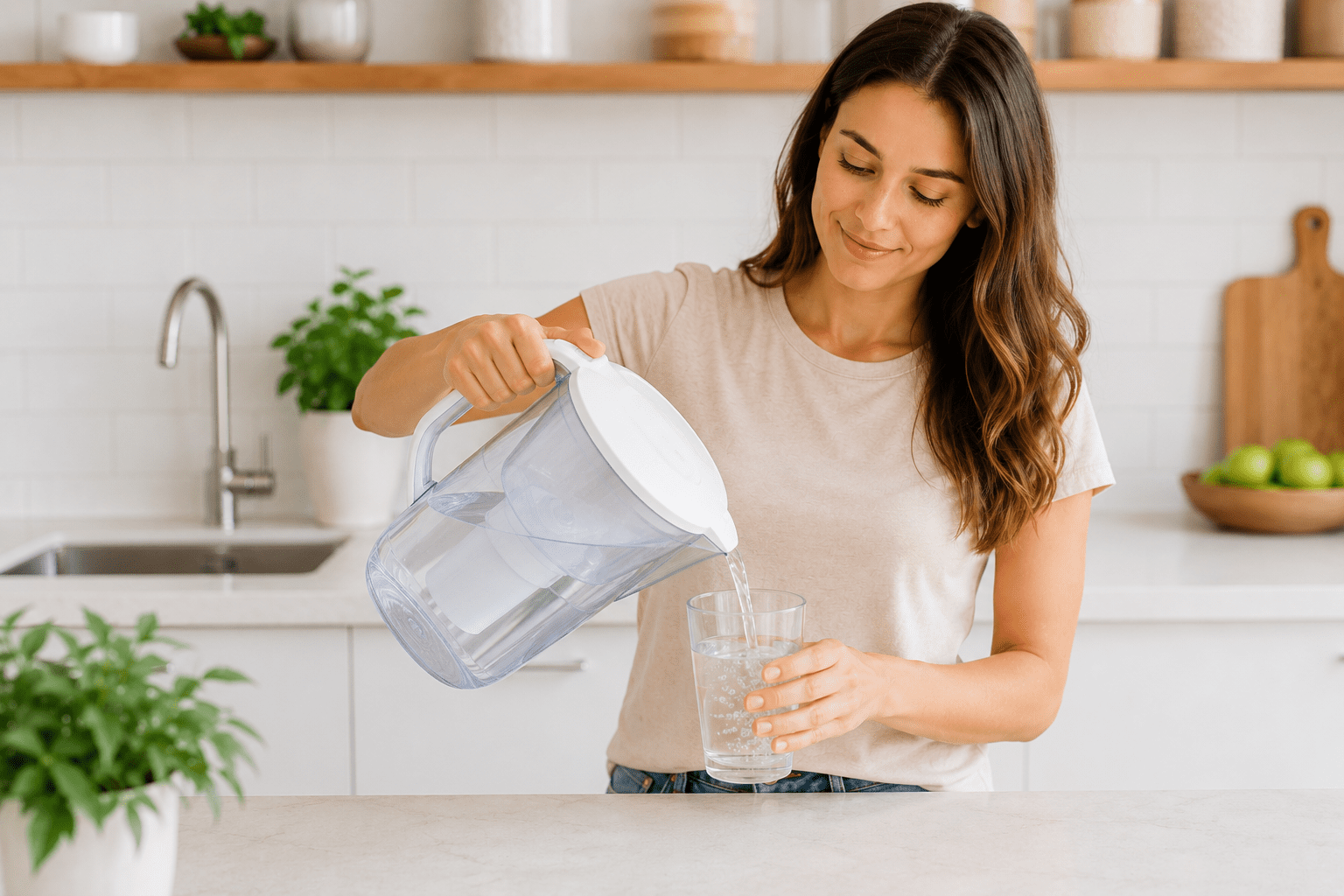
For many everyday kitchens, pitcher filters provide a practical balance between convenience, cost, and simple daily water improvement.
What to Know Before Choosing a Water Filter Pitcher
Not every filtration system is designed for the same purpose.
Before choosing a pitcher, it helps to compare:
- contaminant reduction features
- replacement schedule
- refrigerator fit
- pitcher capacity
- long-term maintenance
The best option is usually the one that fits naturally into your household routine while matching your local water concerns.
Related Articles
- Are Water Filter Pitchers Worth It?
- Faucet Filter vs Pitcher Filter
Informational Disclaimer: Filtration performance may vary depending on local water conditions, filter usage, and manufacturer specifications.