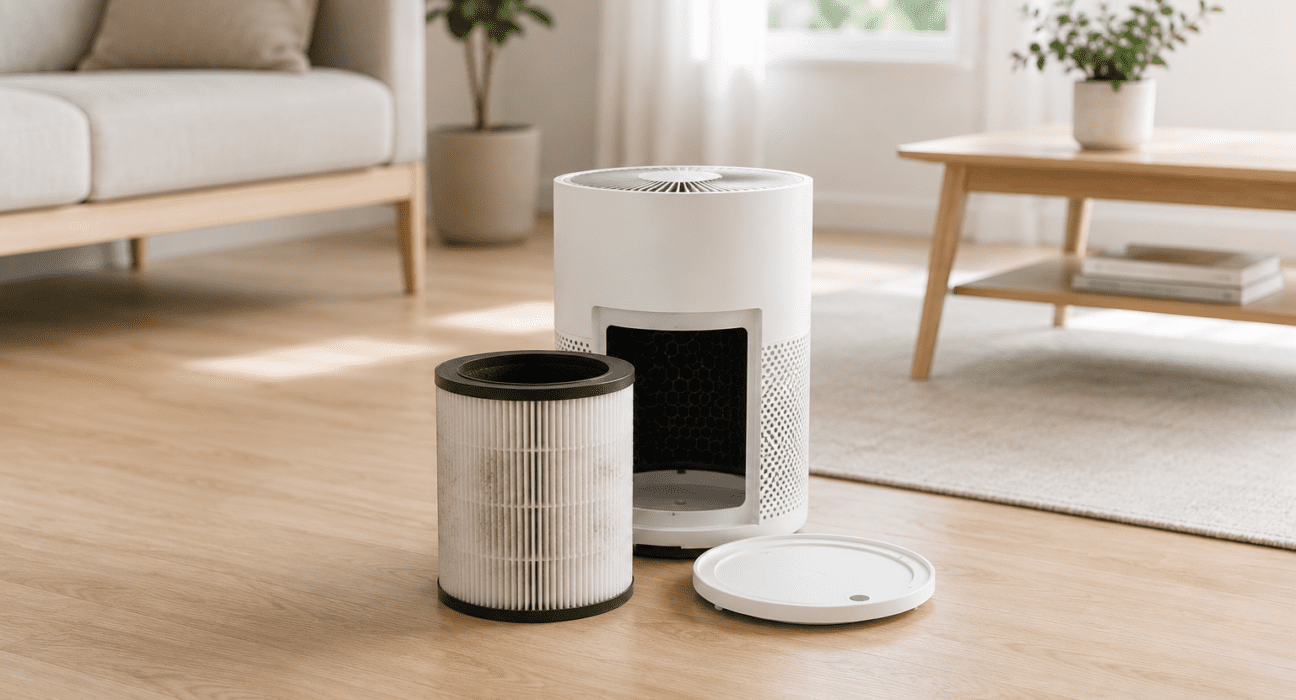
Air purifiers often run quietly in the background, so it’s easy to forget that the filter inside is doing most of the work. Over time, that filter gradually fills with dust, airborne particles, pet dander, and everyday indoor pollutants. Even if the purifier still turns on normally, filtration performance can slowly decline when the filter becomes overloaded.
Understanding when to replace an air purifier filter matters more than many people realize. Replacing it too early increases unnecessary cost, while waiting too long can reduce airflow, weaken filtration efficiency, and make indoor air feel noticeably less fresh.
The good news is that filter replacement usually follows predictable patterns once you understand how room size, air quality, pets, and daily usage affect overall filter lifespan.
Why Air Purifier Filters Stop Working Efficiently
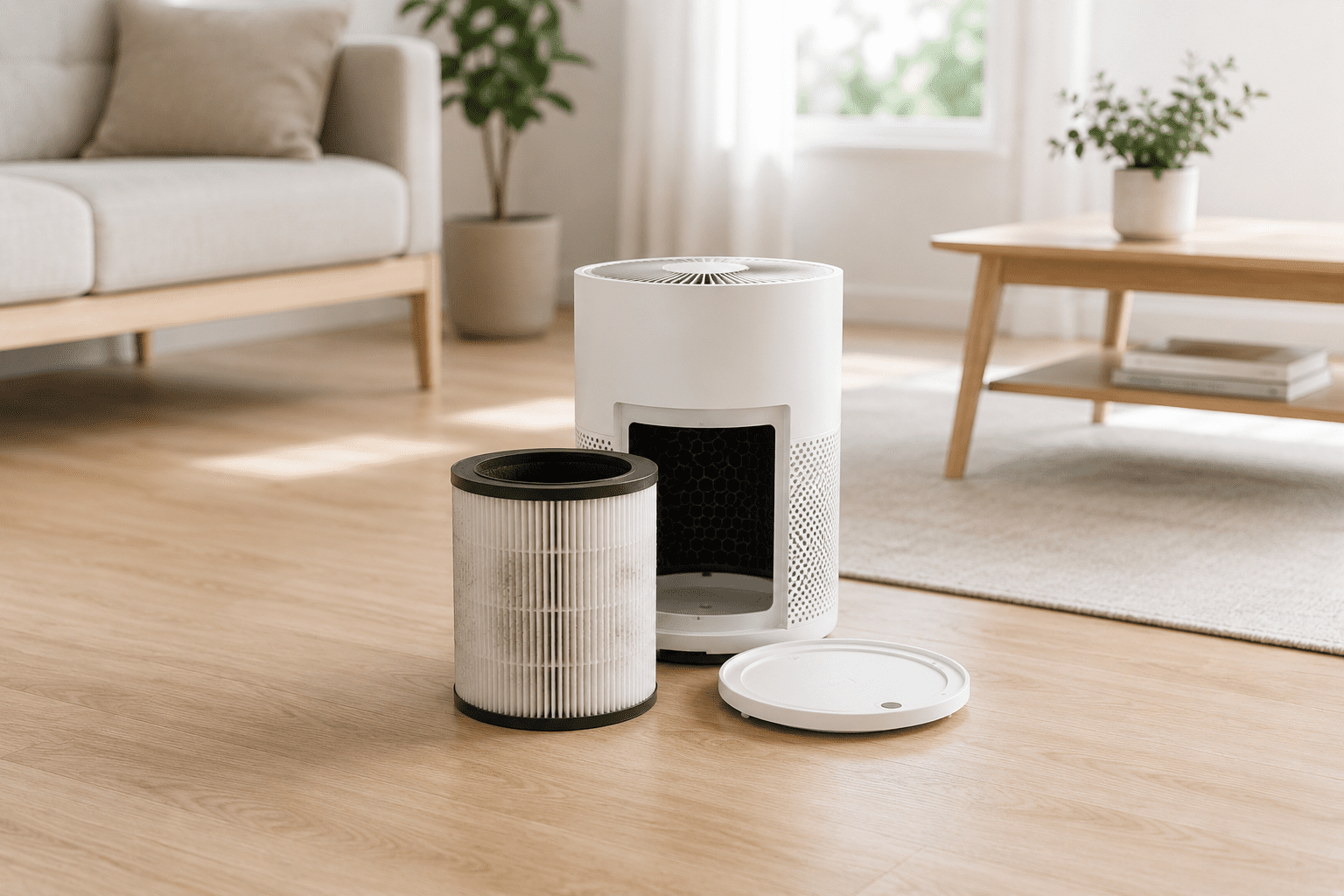
Air purifier filters are designed to trap airborne particles continuously. Every day, they collect dust, pollen, smoke particles, pet hair, allergens, and fine debris circulating through the room.
As buildup increases, several things begin to happen:
- Airflow becomes more restricted
- The purifier works harder to move air
- Filtration efficiency gradually decreases
- Odors may linger longer indoors
- Rooms may start feeling dusty again sooner than expected
This decline often happens slowly, which is why many households don’t notice the performance drop immediately.
Unlike disposable cleaning wipes or vacuum bags, air purifier filters typically degrade gradually rather than all at once.
What Actually Determines Filter Lifespan
There’s no universal replacement timeline that fits every home.
A purifier running in a quiet bedroom with minimal dust exposure may keep its filter effective far longer than a purifier operating daily in a home with pets, open windows, cooking odors, or seasonal allergens.
Several factors directly affect replacement frequency:
1. Daily Runtime
Purifiers that run continuously collect more airborne particles than units used only occasionally.
Many modern air purifiers are designed for 24-hour operation, especially in bedrooms or living spaces. Continuous use improves air circulation but also accelerates filter saturation over time.
2. Pets and Indoor Allergens
Homes with pets often replace filters more frequently because fur, dander, and airborne particles accumulate faster.
During allergy season, pollen and outdoor contaminants can also increase filter load significantly.
3. Room Size and Airflow
A purifier working near its maximum room capacity typically experiences faster filter buildup.
If airflow struggles to circulate properly through the room, the system may operate at higher fan speeds more often, increasing overall filter usage.
4. Indoor Air Conditions
Cooking smoke, candles, dust buildup, poor ventilation, and nearby traffic pollution can all shorten filter lifespan.
In cleaner indoor environments, filters usually remain effective longer.
Signs Your Air Purifier Filter May Need Replacement
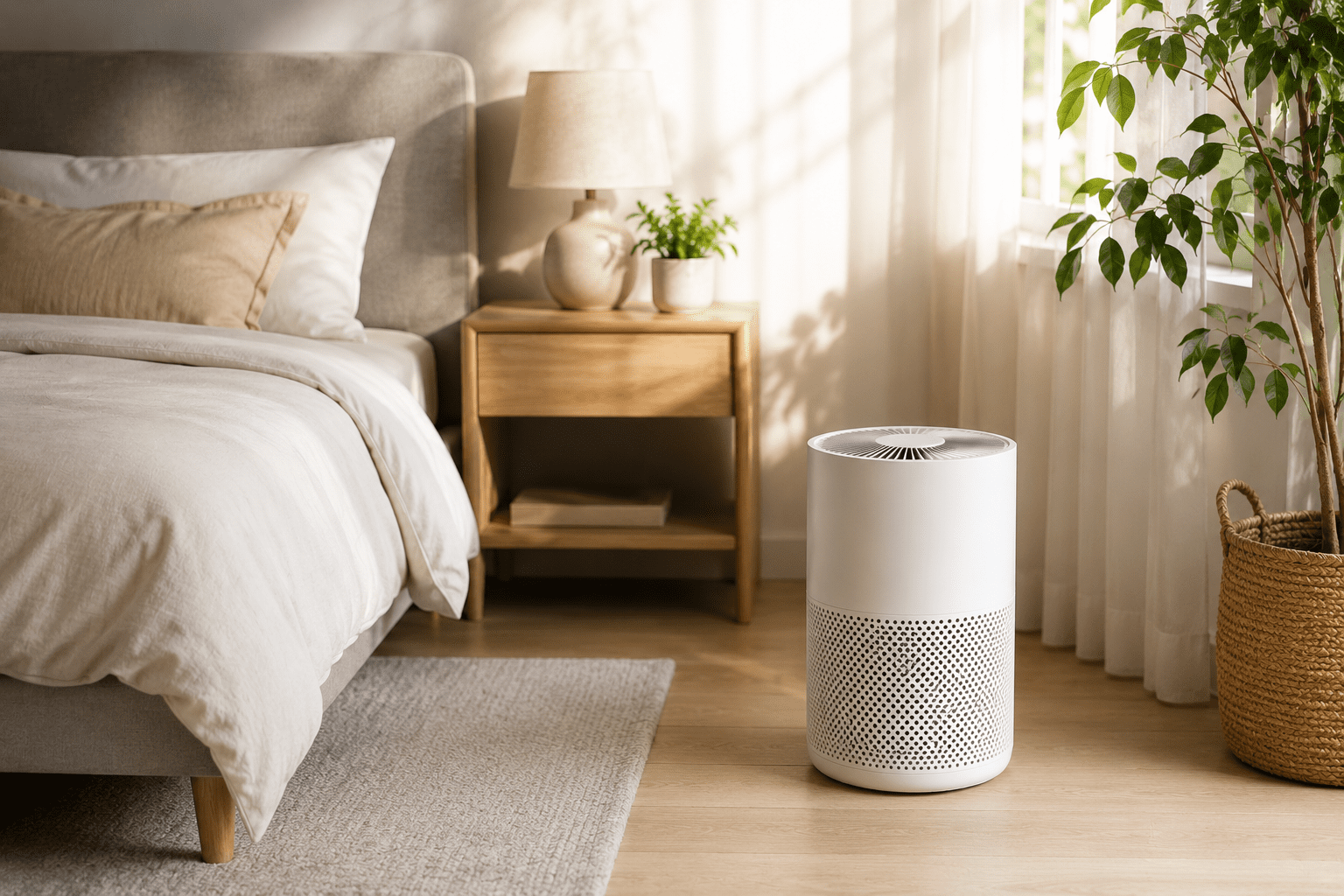
Most households replace filters based on manufacturer recommendations, but everyday performance changes often provide the clearest clues.
One of the earliest signs is reduced airflow. The purifier may still operate normally, but the air coming from the unit feels weaker than before.
Some users also notice:
- Dust returning to surfaces more quickly
- Lingering odors indoors
- Increased allergy irritation
- Louder fan operation
- A stale or less fresh indoor environment
In homes with pets or heavy dust exposure, these signs may appear earlier than expected.
Modern smart air purifiers sometimes include filter replacement indicators, but even these systems work best when combined with regular visual inspection.
HEPA Filters vs Carbon Filters: Replacement Differences
Not all filters wear down the same way.
HEPA filters mainly capture airborne particles such as dust, pollen, and fine debris. Their effectiveness declines as airflow becomes restricted by trapped contaminants.
Activated carbon filters work differently. Instead of trapping particles, they absorb odors and certain airborne compounds. Over time, carbon loses its ability to absorb smells effectively, even if the filter still looks relatively clean.
That’s why some households notice cooking odors or pet smells returning before they notice visible dust problems.
Understanding the difference between filtration layers helps explain why some purifiers use multiple replacement schedules depending on filter type.
Why Delaying Filter Replacement Can Affect Indoor Air Quality
Many people continue using filters long after performance has declined because the purifier still powers on normally.
However, clogged or saturated filters can reduce overall air circulation efficiency.
In some situations, overloaded filters may:
- Force the fan motor to work harder
- Reduce clean air delivery efficiency
- Circulate stale indoor air more slowly
- Allow odors and airborne particles to remain longer in the room
This doesn’t usually create an immediate problem overnight, but gradual performance decline can become noticeable over time.
For households focused on allergies, pet dander, or everyday indoor freshness, consistent filter replacement plays a major role in maintaining overall performance.
Replacement Timing in Real-World Homes
Most manufacturers recommend replacing HEPA filters every several months depending on usage conditions.
In real-world environments, timing often depends more on:
- pets
- dust exposure
- room ventilation
- purifier runtime
- local air quality
A purifier in a clean guest bedroom may last significantly longer between replacements than a purifier operating daily beside a kitchen or high-traffic living area.
Rather than following a strict universal schedule, many households get better results by monitoring airflow, odor control, and general room freshness over time.
Keeping the Purifier Working Efficiently Between Replacements
Replacing filters matters, but everyday maintenance also helps extend overall performance.
Simple habits such as reducing surface dust, vacuuming upholstery regularly, and keeping airflow unobstructed can reduce unnecessary strain on the purifier.
Homes with excessive dust buildup often force filters to saturate more quickly.
Maintaining cleaner floors and upholstery can help reduce airborne particles before they reach the filtration system.
Affiliate Disclosure: This article may contain affiliate links. If you purchase through these links, we may earn a small commission at no extra cost to you.
Where to Buy Replacement Filters
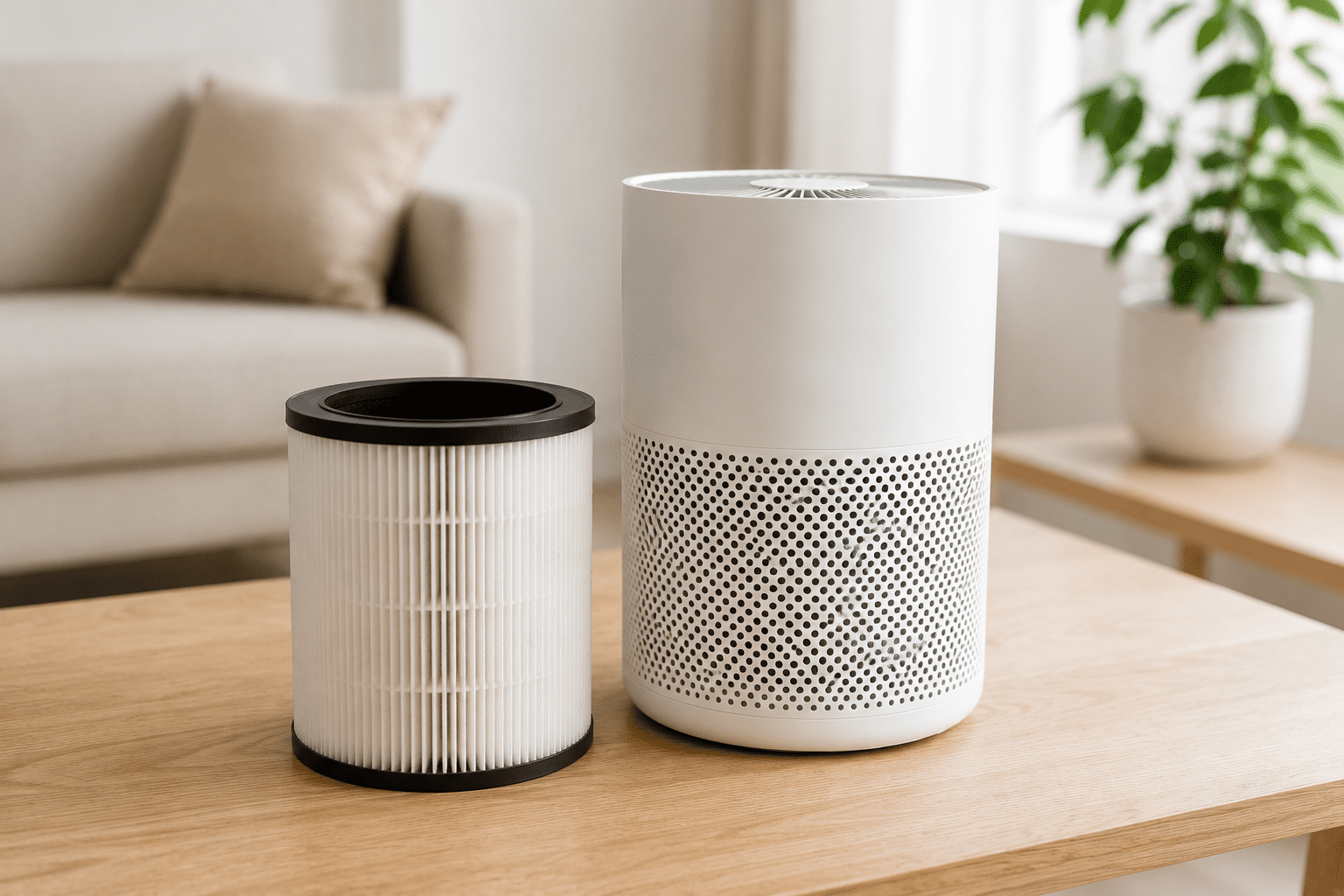
If airflow has weakened noticeably or odors remain indoors longer than usual, replacing the filter may help restore more consistent air circulation and filtration performance.
Many households keep a spare replacement filter available so the purifier can continue operating without interruption.
Check Compatible Air Purifier Replacement Filters and Current Pricing on Amazon
Final Perspective
Air purifier filters gradually lose effectiveness as they collect airborne particles over time. While replacement schedules vary depending on room conditions and usage habits, paying attention to airflow, odors, dust buildup, and overall room freshness usually provides the clearest indication that performance is beginning to decline.
For households using air purifiers daily, replacing filters consistently helps maintain cleaner indoor air, steadier airflow, and more reliable long-term performance.