Getting quality sleep isn’t just about feeling rested, it directly affects how you perform at work, how your body moves, and how well you recover from daily stress and physical activity. Poor sleep can lead to low focus, slower reaction time, reduced energy, and stalled fitness progress, even if your workouts and nutrition are on point.
That’s why wireless sleep tracking rings have become a go-to wellness tool for people balancing demanding work schedules, active lifestyles, and recovery. These compact devices quietly track sleep stages, heart rate, body temperature, and overnight recovery metrics, helping users understand how well their body resets each night without the bulk of a smartwatch.
Whether you’re trying to stay sharp at work, improve workout recovery, or simply wake up feeling more energized, sleep tracking rings offer a simple, wearable way to turn rest into a performance advantage.
Affiliate Disclosure: This article may contain affiliate links. If you purchase through these links, we may earn a small commission at no extra cost to you.
Why Sleep Tracking Rings Are Trending Right Now
Sleep tracking rings are designed to be worn 24/7, especially during sleep, without the discomfort that comes with wrist-based trackers. Because fingers have strong blood flow, rings can collect highly accurate biometric data while remaining virtually unnoticeable.
People are switching to sleep rings because they offer:
-
No screens or notifications disrupting sleep
-
Lightweight, jewelry-style design
-
Longer battery life than most smartwatches
-
Advanced sleep and recovery insights
They’re especially popular among biohackers, fitness enthusiasts, busy professionals, and anyone focused on recovery and wellness.
How Wireless Sleep Tracking Rings Work
Most sleep tracking rings use a combination of sensors to collect overnight data, including:
-
Sleep stages (light, deep, REM)
-
Heart rate and heart rate variability (HRV)
-
Body temperature trends
-
Blood oxygen levels (SpO₂)
-
Movement and restlessness
-
Daily activity and step count
This data syncs with a mobile app that turns raw numbers into easy-to-understand insights, often including a daily readiness or recovery score.
The Oura Ring: The Premium Sleep Ring Standard
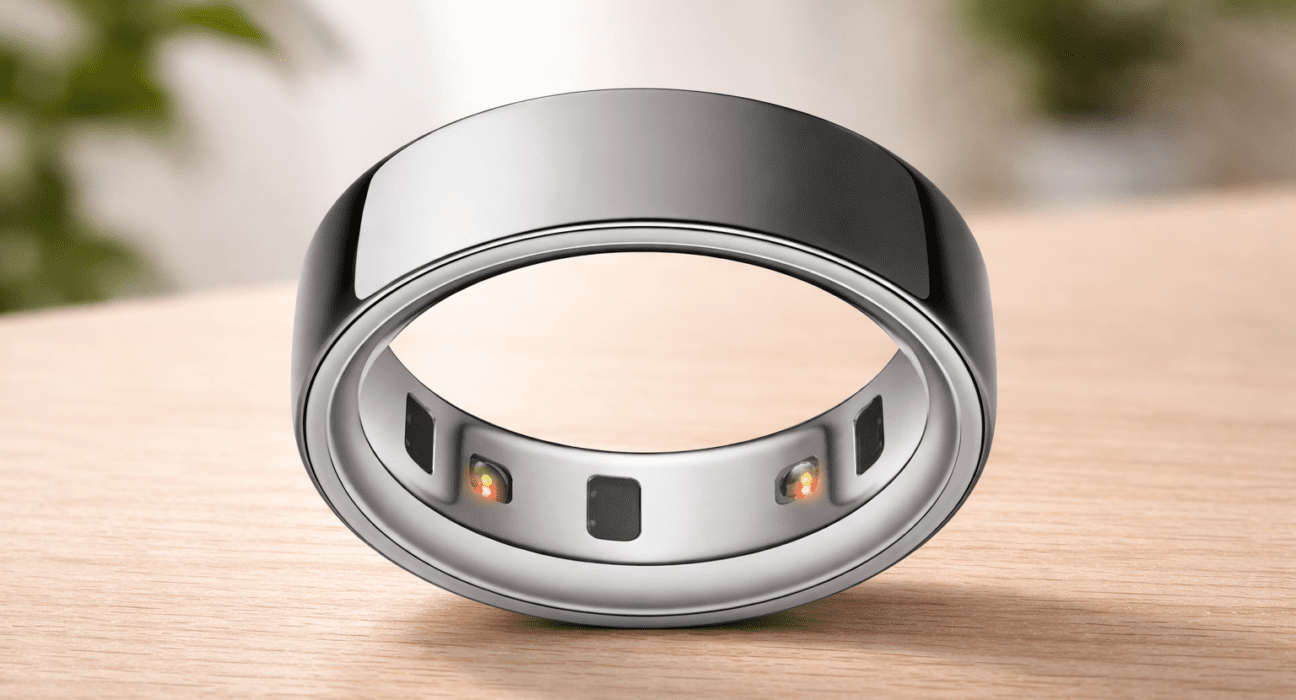
The Oura Ring is one of the most well-known sleep tracking rings on the market. Crafted from titanium and designed to look like minimalist jewelry, it’s lightweight and comfortable enough to wear all night without noticing it.
Key features commonly highlighted by users include:
-
Advanced sleep stage tracking
-
HRV and resting heart rate monitoring
-
Body temperature trend analysis
-
Daily readiness and recovery scores
-
Long battery life (up to 7 days)
-
Minimalist charging dock
While the Oura Ring sits at a higher price point (often $300+), many users choose it for its polished app experience and long-term data tracking.

Budget-Friendly Sleep Tracking Ring Alternatives on Amazon
For shoppers looking for more affordable sleep tracking rings, Amazon offers several alternatives typically priced between $99 and $150. These options focus on core sleep metrics without the premium price tag.
Common features found in budget-friendly rings include:
-
Sleep stage tracking
-
Heart rate monitoring
-
SpO₂ (blood oxygen) tracking
-
Activity and step tracking
-
Compact charging cases
While these models may have slightly shorter battery life (often 4–5 days) and simpler apps, they provide excellent value for anyone new to sleep tracking or shopping on a budget.

Things to Know Before Buying a Sleep Tracking Ring
Before choosing a sleep tracking ring, keep these practical tips in mind:
1. Sizing Matters
Most rings require accurate sizing. Many brands offer sizing kits — using one helps avoid discomfort or inaccurate readings.
2. Consistency Is Key
Sleep insights improve over time. Wearing the ring consistently leads to better trend analysis and more useful recommendations.
3. Battery Life Varies
Premium rings often last longer between charges, while budget models may need charging every few days.
4. Apps Make the Difference
The value of a sleep ring depends heavily on its app. Look for clear dashboards, trend reports, and easy-to-read summaries.
Who Should Use a Sleep Tracking Ring?
Sleep tracking rings are a great fit for people who:
-
Want better sleep without wearing a smartwatch
-
Care about recovery, stress, and daily energy levels
-
Prefer minimalist, screen-free wearables
-
Track fitness, wellness, or health trends long-term
They’re especially appealing for light sleepers who don’t want glowing screens or buzzing notifications at night.
Sleep Tracking Rings: A Smarter Way to Improve Rest and Recovery
Wireless sleep tracking rings provide a simple and convenient way to understand your sleep patterns and recovery without disrupting your nightly routine. These compact wearables collect valuable insights about sleep quality, activity levels, and overall wellness.
Whether you choose a premium device like the Oura Ring or explore more budget-friendly alternatives, sleep tracking rings make it easier to identify habits that affect your rest and energy levels.
For anyone looking to improve sleep quality, manage stress, or support long-term wellness, a sleep tracking ring can be a practical and effective upgrade to a modern health routine.
For additional wellness and performance tools to improve your daily routine, see our guide to Top Work & Fitness Products to Boost Productivity, Recovery, and Daily Performance.